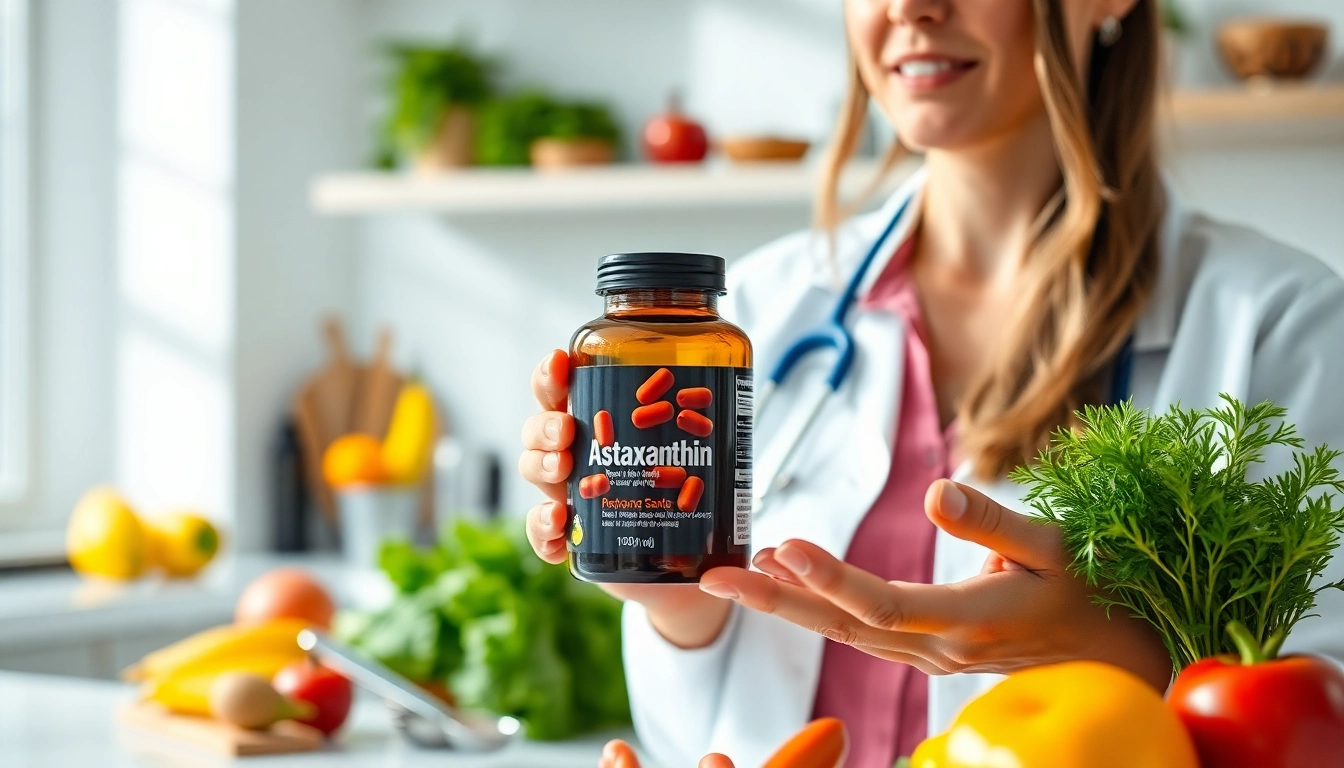
What is Astaxanthin?
1. Overview of Astaxanthin
A powerful carotenoid pigment, astaxanthin is responsible for the vibrant red and pink hues found in several marine organisms, such as salmon, shrimp, and algae. This potent antioxidant is gaining recognition for its numerous health benefits, particularly in enhancing physical performance, skin health, and eye health. Unlike other antioxidants, astaxanthin boasts unique molecular properties, making it highly effective against oxidative stress and inflammation.
2. Sources of Astaxanthin
Astaxanthin is primarily sourced from microalgae, particularly Haematococcus pluvialis, which produces this antioxidant when exposed to stressors like sunlight. Wild-caught salmon is one of the most well-known dietary sources of astaxanthin, along with shrimp, lobster, and crab. Additionally, astaxanthin can be found in certain supplements derived from algae or synthesized in laboratories, making it available in various forms for different consumer preferences.
3. Health Benefits of Astaxanthin
The benefits of astaxanthin extend to various aspects of health. Research indicates that this antioxidant can help improve athletic performance by reducing muscle fatigue and enhancing recovery after intense exercise. Furthermore, astaxanthin has also been shown to promote skin health by protecting against UV-induced damage and improving skin elasticity. Eye health is another area where this carotenoid shines; studies suggest it may reduce the risk of age-related eye diseases by protecting retinal cells. Additionally, astaxanthin has anti-inflammatory properties that may support heart health by reducing oxidative stress and promoting better cholesterol levels.
Should Astaxanthin Be Taken with Food?
1. Why Food Matters
The consumption of astaxanthin in conjunction with food is vital for maximizing its benefits. Being a fat-soluble carotenoid, astaxanthin is better absorbed into the bloodstream when consumed with dietary fats. Studies indicate that taking fat-soluble nutrients with meals significantly enhances absorption rates compared to taking them on an empty stomach. Hence, should astaxanthin be taken with food is not just a matter of preference but a scientifically supported approach to getting the most out of this powerful antioxidant.
2. Best Foods to Pair with Astaxanthin
To optimize the absorption of astaxanthin, pairing it with healthy fats is beneficial. Foods rich in omega-3 fatty acids, such as fatty fish like salmon and mackerel, olive oil, avocados, nuts, and seeds, are excellent choices. These foods not only provide the necessary fats for better absorption but can also complement the health benefits of astaxanthin, potentially enhancing its anti-inflammatory properties. Another great option is incorporating astaxanthin with meals that include eggs or dairy products, which also contain fats that assist in absorption.
3. Myths and Misconceptions
Despite the growing body of research supporting the consumption of astaxanthin with food, several myths persist. One common misconception is that all supplements can be taken on an empty stomach without compromise, which is not true for fat-soluble nutrients like astaxanthin. Additionally, some individuals may believe that high-dose supplementation is sufficient without considering the significance of food pairing, which can limit the effectiveness of the astaxanthin consumed.
Recommended Dosage of Astaxanthin
1. Daily Dosage Guidelines
The ideal daily dosage of astaxanthin varies based on individual health goals and conditions. General recommendations suggest a daily intake ranging from 4 mg to 12 mg, with most studies indicating that doses around 6 mg to 8 mg offer optimal health benefits without adverse effects. For specific health concerns, such as reducing inflammation or improving athletic performance, guided adjustments may be necessary, and consulting with a healthcare professional can provide personalized advice.
2. Factors Affecting Dosage
Several factors can influence the appropriate dosage of astaxanthin for an individual. These include age, body weight, overall health status, and the specific health outcomes desired. For instance, athletes or those engaging in high-intensity workouts may require higher doses to optimize recovery. Conversely, individuals using astaxanthin for general health maintenance might find lower doses sufficient. It's essential to consider lifestyle, dietary habits, and existing medical conditions when determining the right dosage.
3. Monitoring Your Intake
Monitoring astaxanthin intake can help ensure effectiveness while minimizing risks. Keeping a daily log of astaxanthin consumption can be beneficial, especially when combining supplements with a diet rich in astaxanthin-containing foods. Regular consultations with healthcare professionals can further aid in assessing the effectiveness and adjusting dosages as needed, ensuring that individuals gain maximum benefits from their astaxanthin intake.
Potential Side Effects of Astaxanthin
1. Common Side Effects
Astaxanthin is generally considered safe when consumed at recommended doses. However, some individuals may experience mild side effects, such as gastrointestinal disturbances, and changes in skin color, often described as a reddish hue. These side effects are usually transient and resolve upon adjusting the dose or discontinuing use. As with any supplement, individual reactions can vary widely.
2. Risks of Overconsumption
Overconsumption of astaxanthin can lead to more severe side effects, including stomach upset, dizziness, or altered skin color. In extreme cases, excessive intake may also result in a buildup of astaxanthin in the body, which could lead to complications. It’s crucial to adhere to recommended guidelines and avoid significantly higher doses unless directed by a healthcare provider.
3. Who Should Avoid Astaxanthin
While astaxanthin is typically safe for most individuals, certain populations may need to exercise caution or avoid it altogether. Pregnant or breastfeeding women, individuals with specific allergies (especially to seafood), or those with chronic medical conditions should consult their healthcare provider before taking astaxanthin. Individuals on blood thinners or other medications should also discuss potential interactions with a healthcare professional.
Frequently Asked Questions
1. Can astaxanthin be taken on an empty stomach?
While astaxanthin can be taken on an empty stomach, absorption improves when paired with dietary fats. Consuming it with food enhances its effectiveness.
2. How does food enhance astaxanthin absorption?
Food, particularly fat, boosts astaxanthin absorption by allowing better solubility and transportation in the digestive system, promoting higher bioavailability.
3. Are there specific meals optimal for taking astaxanthin?
Meals rich in healthy fats like fish, avocados, or nuts are optimal for taking astaxanthin, as they promote better absorption of this carotenoid.
4. Can astaxanthin interact with medications?
Yes, astaxanthin can interact with certain medications like blood thinners. It's essential to consult with a healthcare provider before starting supplementation.
5. How long does it take to see results from astaxanthin?
Results from astaxanthin supplementation can vary, but many individuals report improvements in skin health and energy levels within 2-6 weeks of consistent use.