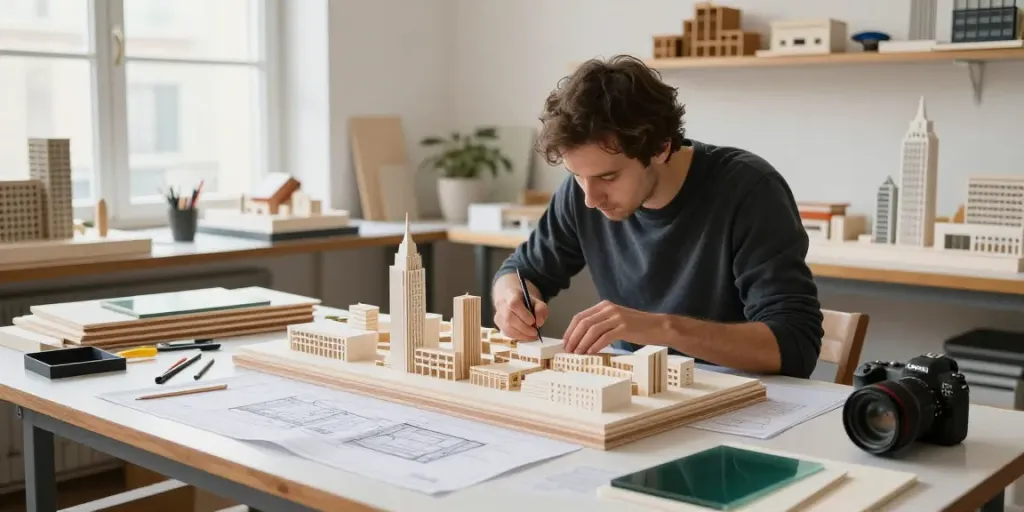
The Importance of Architectural Model Making in Italy
Italy is not only famous for its breathtaking landscapes and rich cultural heritage but also for its architectural brilliance that dates back centuries. Architectural model making plays a fundamental role in this process, serving as a crucial tool for designers, architects, and developers alike. It brings abstract concepts to life, allowing stakeholders to visualize complex projects before they become a reality. When exploring options, Architectural model maker Italy provides comprehensive insights into how these models can enhance the design process.
Understanding the Role of Models in Architecture
Architectural models act as tangible, three-dimensional representations of a building or development project. They serve multiple purposes, including:
- Visualization: Models allow architects and clients to visualize the design and scale of a project, making it easier to communicate ideas effectively.
- Iteration: Designers can experiment with different forms, materials, and configurations, enabling a more flexible design process.
- Marketing: Compelling models can attract investors and buyers, showcasing the potential of developments in a visually appealing manner.
- Stakeholder Engagement: Models facilitate discussions among various stakeholders, ensuring that feedback is gathered at critical stages of the design process.
Benefits of Architectural Models for Stakeholders
For stakeholders, the benefits of utilizing architectural models extend beyond mere aesthetics. Critical insights can be gleaned from models that inform better decision-making. Benefits include:
- Clarification of Concepts: Models help demystify complex designs, making it easier for non-architects to understand the vision behind a project.
- Budget Management: Early visualization of a project can lead to more accurate budget estimates, as stakeholders can see the real implications of design choices.
- Regulatory Approvals: Detailed, high-quality models can improve the chances of obtaining necessary permits and approvals from local authorities.
- Enhanced Collaboration: Working from a model fosters collaboration among architects, engineers, and clients, as it provides a common reference point for discussion.
How Model Making Enhances Design Communication
Effective communication in architectural design is paramount. A well-crafted model serves as a bridge between architects and stakeholders, allowing for:
- Visual Storytelling: Architectural models enable designers to convey their vision through a compelling narrative that goes beyond technical drawings.
- Immediate Feedback: With a visual representation, stakeholders can provide instant feedback on aspects they wish to alter or improve.
- Conflict Resolution: Models can help identify potential conflicts early in the design process, allowing for adjustments before construction begins.
- Enhanced Presentations: Whether in formal meetings or public exhibitions, models significantly elevate the presentation quality, engaging audiences at a deeper level.
Types of Architectural Models We Build
At our facility, we specialize in creating a variety of architectural models tailored to meet the specific needs of our clients. Understanding the different types of models available can help you choose the right one for your project.
Scale Models for Urban Planning and Development
Urban planning models are crucial for visualizing large-scale developments, integrating various factors such as infrastructure, green spaces, and community resources. These models provide insight into:
- The overall site layout
- Landscaping and environmental impacts
- Traffic flow and accessibility
- Community integration and potential growth areas
Architectural Presentation Models for Real Estate
Real estate professionals utilize presentation models to showcase properties to potential buyers or investors. These models highlight:
- Interior and exterior finishes
- Surrounding amenities
- Design intent and material choices
- Contextual placement within the neighborhood
Functional Models for Industrial Projects
Functional models are especially beneficial for industrial projects, allowing stakeholders to evaluate operational layouts and material flows. They aid in understanding:
- Production workflows
- Equipment placements
- Safety protocols
- Efficiency improvements
Materials and Techniques in Model Making
The choice of materials and techniques in architectural model making directly impacts the quality and effectiveness of the final product. Our team employs a variety of traditional and modern materials to create stunning models that resonate with the intended audience.
Traditional vs. Modern Materials in Model Making
Understanding the advantages of different materials can guide the model-making process. Traditional materials like wood, foam, and cardboard are favored for their workability and aesthetic appeal. Conversely, modern materials such as acrylic, 3D-printed components, and metal allow for:
- Greater precision
- More intricate details
- Enhanced durability for transportation
- Wide range of surface finishes
Advanced Techniques for High-Quality Models
We utilize advanced techniques to ensure that our models meet the highest standards. Some of these techniques include:
- Laser Cutting: This technique allows for precise cuts and intricate designs, resulting in clean edges and accurate detail.
- 3D Printing: Ideal for creating complex geometries, 3D printing expands the possibilities of design and innovation.
- Texturing and Finishing: Various painting, veneering, and texturing techniques enhance the model’s realism, making it more engaging for viewers.
Choosing the Right Materials for Your Project
When selecting materials for your architectural model, consider factors such as the intended purpose of the model, budget constraints, and desired level of detail. Consultation with experienced model makers can provide valuable guidance in making the best choice for your specific project.
Delivering Models Across Italy and Europe
Our commitment extends beyond model making; we ensure that your stunning creations are delivered safely and efficiently across Italy and Europe. Our logistics and packaging processes are meticulously designed to protect your models during transit.
Logistics and Packaging for Safe Delivery
We understand that the integrity of your model is paramount. Our packaging involves:
- Custom-fit boxes that secure the model during transport
- Protective padding to prevent damage from impacts
- Clearly labeled handling instructions to ensure careful transportation
Case Studies of Successful Model Deliveries
We have facilitated numerous successful deliveries, often overcoming logistical challenges. For instance, our recent collaboration with a Milan-based developer required delivery to multiple sites across northern Italy, highlighting our ability to manage:
- Shipping timelines
- Coordination with local teams
- Adherence to specific project guidelines
Ensuring Timely Delivery to Major Cities
We pride ourselves on our efficiency and reliability. Our infrastructure is designed to guarantee timely deliveries to major cities such as:
- Rome
- Milan
- Naples
- Florence
Regardless of the destination, we ensure that your models arrive in perfect condition and on schedule.
Why Choose Us for Architectural Models in Italy?
Choosing the right partner for architectural model making is crucial for the success of your project. We offer a blend of quality, innovation, and customer service that sets us apart from the competition.
Our Commitment to Quality and Innovation
Quality is at the heart of what we do. Our models are crafted with precision and attention to detail, utilizing the latest technology and craftsmanship techniques. We continually invest in research and development to stay ahead of industry trends, ensuring that our clients receive the best possible service.
Customer Testimonials and Success Stories
Our clients range from architectural firms to real estate developers, all of whom have benefited from our expertise. Testimonials highlight our ability to meet and exceed expectations, securing our reputation as a trusted partner in architectural model making.
Expert Team and Industry Experience
Our team is composed of skilled artisans and industry professionals with years of experience. This expertise allows us to tackle projects of varying scales and complexities, ensuring that all aspects of model making are handled with care and proficiency.
Frequently Asked Questions
Who makes architectural models?
Architectural models are typically made by specialized model makers who possess a deep understanding of design principles and materials. At our company, we employ a team of experts dedicated to crafting high-quality models.
What are the common types of architectural models?
Common types of architectural models include scale models for urban planning, presentation models for real estate, and functional models for industrial projects. Each serves a unique purpose in the design and development process.
Why are architectural models important in design?
Architectural models are crucial for visualizing designs, enhancing communication, and facilitating decision-making among stakeholders. They act as a physical representation of ideas, enabling clearer discussions and refinements.
How long does it take to create a model?
The timeline for creating an architectural model can vary based on its complexity and the materials used. Generally, simple models may take a few weeks, while more intricate designs can require several months.
What materials are typically used in model making?
Model makers use a range of materials, including wood, foam, acrylic, and metal. The choice of material depends on the model’s purpose, desired detail level, and budget considerations.