Understanding GRP Manufacturing Processes
Glass Reinforced Plastic (GRP) is an advanced composite material critical to a variety of industries, including construction, automotive, and marine sectors. As an independent leader in this field, GRP Manufacturer Engineered Composites emphasizes the importance of understanding GRP's manufacturing processes and the inherent advantages this material offers. GRP is made from a combination of glass fibers and resin, providing a lightweight yet incredibly strong solution for structural applications. This article delves into the intricacies of GRP manufacturing, highlights its advantages over traditional materials, and outlines its diverse applications across various industries.
What is Glass Reinforced Plastic?
Glass Reinforced Plastic, commonly known as fiberglass, is a composite material made by weaving glass fibers into a resin matrix. This combination results in a lightweight, strong, and flexible substance that can be molded into various shapes and sizes. The unique properties of GRP make it suitable for many applications, from structural components in buildings to protective casings in electrical equipment. Its ability to resist corrosion, coupled with exceptional tensile strength, makes GRP a preferred choice over metals such as steel and aluminum in specific instances.
Key Manufacturing Techniques in GRP Production
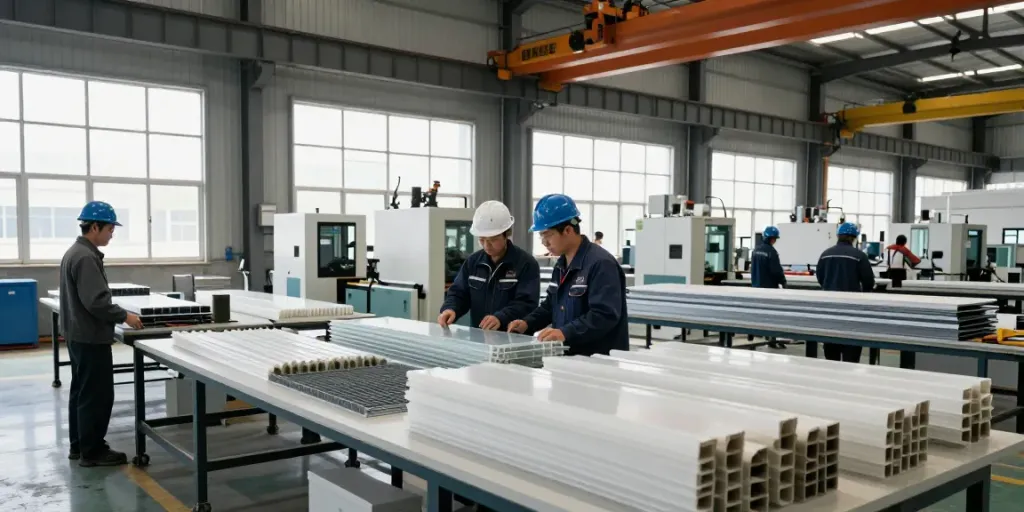
Several key techniques are employed in the production of GRP to ensure optimal performance and reliability:
- Hand Lay-Up: This traditional method involves manually layering glass fibers and resin. It’s suitable for large parts where precision is less of a concern.
- Spray-Up: A process where a mixture of resin and glass fibers is sprayed onto a mold. This technique is efficient for producing large composite parts with complex geometries.
- Filament Winding: In this method, continuous strands of glass fibers are wound around a rotating mandrel. This technique is ideal for creating strong pipes and tubes.
- Resin Transfer Molding (RTM): This involves placing dry glass fibers into a mold, followed by injecting resin under pressure. It allows for greater control over fiber distribution and results in high-quality finishes.
Quality Control Standards for GRP Products
To maintain high-quality standards, GRP manufacturers must adhere to strict regulations and testing procedures. Engineered Composites, for instance, operates under an ISO 9001-certified quality management system, ensuring that every product meets or exceeds performance expectations. Regular inspections and tests for tensile strength, dimensional accuracy, and fire resistance help guarantee the longevity and reliability of GRP components.
Advantages of Choosing a Trusted GRP Manufacturer
Choosing the right manufacturer is crucial for ensuring you receive high-quality GRP products. Here are the primary advantages of sourcing from a reputable GRP manufacturer like Engineered Composites:
Cost-Effectiveness Compared to Traditional Materials
GRP presents a cost-effective alternative to traditional materials like steel and aluminum. While the initial costs may vary, the long-term savings are significant due to reduced maintenance and longer lifespan. GRP does not require treatments such as galvanizing or painting, and its resistance to corrosion means there are fewer replacement needs over time.
Lightweight Properties and Their Benefits
Perhaps one of the most compelling advantages of GRP is its lightweight nature. Weighing up to 70% less than steel, GRP products reduce the structural load on buildings and frameworks, allowing for simpler and more economical designs. This weight savings also translates to lower transportation costs and easier handling on-site.
Corrosion Resistance and Longevity of GRP
GRP is inherently resistant to many chemicals, UV radiation, and moisture, making it a durable option for outdoor and harsh environments. It can maintain structural integrity and aesthetic appearance for over 50 years, minimizing lifecycle costs and downtime usually associated with material degradation.
Applications of GRP Across Various Industries
The versatility of GRP allows it to be used in multiple sectors, each benefiting from its unique properties.
GRP in Construction and Infrastructure
In the construction industry, GRP is primarily used for flooring systems, grating, and structural supports. Its lightweight and corrosion-resistant properties make it ideal for bridges, staircases, and platforms, where durability and safety are paramount.
Uses of GRP in Marine and Offshore Applications
Marine applications are another significant domain for GRP. It is commonly employed in boat construction and maintenance, where its resistance to saltwater and its non-corrosive nature prove invaluable. GRP is also used for walkways, fenders, and other maritime infrastructure.
GRP Product Innovations for Automotive Solutions
In the automotive industry, GRP components are increasingly replacing heavier materials, leading to lighter vehicles that consume less fuel. Components such as body panels, interior fixtures, and structural elements benefit from GRP’s strength and versatility, contributing to improved performance and design flexibility.
Compliance and Safety Regulations for GRP Products
As GRP products gain popularity, ensuring compliance with safety and building regulations becomes essential for manufacturers and users alike.
Understanding UK Building and Fire Safety Regulations
Compliance with UK building standards is critical for any material used in construction. GRP products must meet rigorous fire safety regulations, ensuring that they provide adequate protection in case of fire. The BS 476 Part 7 classification indicates a material's fire performance, which is a concern for all structural applications.
Meeting Industry Standards: ISO and BS Certifications
Engineered Composites is committed to maintaining the highest manufacturing standards. Products are often certified under UK and international standards such as ISO 9001 for quality and BS EN 13706 for structural performance. These certifications ensure that GRP products are not only reliable but also safe for public use.
Environmental Considerations and Sustainability Practices in GRP
With increasing scrutiny on manufacturing processes, sustainability plays a crucial role in GRP production. GRP is known for its low environmental impact; it utilizes a significantly lower amount of energy during manufacturing compared to metals. Additionally, many GRP products are recyclable, contributing to sustainable practices in construction and design.
Getting Started: Requesting Quotations and Custom Orders
Initiating a project using GRP products is seamless with the right preparation. Here are important steps to ensure a smooth process.
How to Request a Quotation from a GRP Manufacturer?
When seeking a quotation, contact your preferred GRP supplier with detailed project specifications. Providing information like dimensions, application, and required certifications will help expedite the quotation process. At Engineered Composites, we aim to provide quotes within one hour, ensuring quick decision-making for our clients.
Understanding Custom GRP Fabrication Options
Many manufacturers, including Engineered Composites, offer custom fabrication services to meet specific project needs. This might include custom sizes, shapes, or finishes, allowing for tailored solutions fit for any unique application in various industries.
Next-Day Delivery and Stock Availability in the UK
Efficiency in supply chains is paramount. Engineered Composites maintains a comprehensive stock of standard GRP products, ensuring that most orders can be fulfilled with next-day delivery throughout the UK. This capability helps keep projects on schedule.
What are the Main Advantages of Using GRP Products?
In conclusion, GRP products offer numerous advantages, including cost efficiency, lightweight properties, and exceptional durability that outlast traditional materials. Their growing popularity across various industries illustrates their versatility and reliability as a key material for modern engineering solutions.