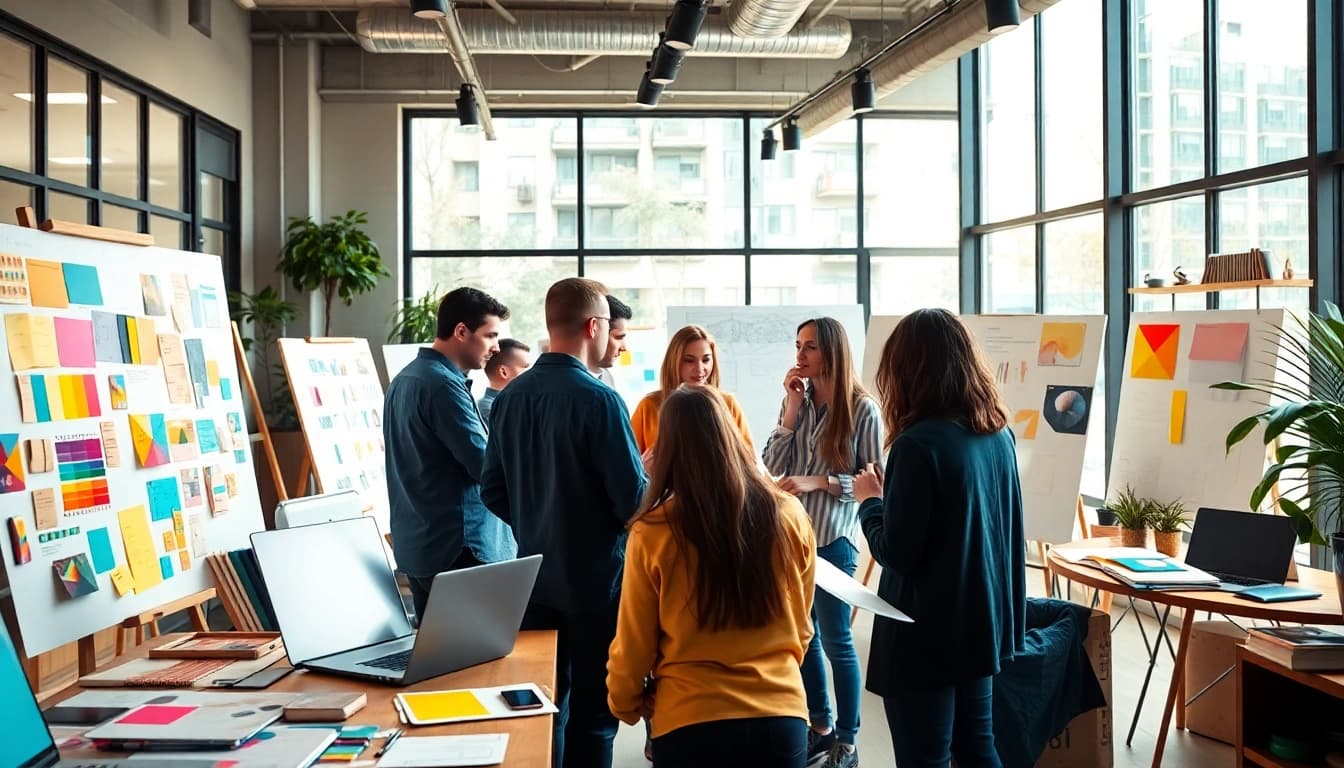
Understanding the Design Landscape
The world of design is a vast and dynamic field that constantly evolves as technology, culture, and trends shift. Quality design is not just about aesthetics; it encompasses functionality, user experience, and a deep understanding of the audience's needs. This article delves into the various dimensions of design, exploring its principles, emerging technologies, and future perspectives. For further insights and resources, feel free to explore https://bestdesignersintheworld.com/.
What Defines Quality Design?
Quality design is multifaceted. It encompasses aesthetics, functionality, and usability, ensuring that the final product not only looks appealing but serves its intended purpose effectively. The clarity of communication through design is paramount, where every element, from color schemes to typography, plays a vital role in conveying the desired message to the audience.
Another element that defines quality is the design’s adaptability to various platforms and user needs. In a world where users interact with products across multiple devices, responsive designs that offer seamless experiences are essential. Quality design must therefore prioritize user experience, recognizing that user satisfaction directly correlates with business success.
The Evolution of Design Trends
Design trends are continually changing, influenced by societal shifts, technological advancements, and cultural movements. In recent years, we have seen a shift towards minimalism, sustainability, and the incorporation of digital elements into traditional design forms. Each era brings forth new innovations that redefine what design means and how it can be interpreted.
Moreover, the rise of social media and online platforms has democratized design, allowing emerging artists to influence trends. The design landscape is enriched by diverse perspectives, making it crucial for professionals to stay informed about ongoing trends and adapt their skills accordingly.
Key Players in the Industry
The design industry is populated by a diverse array of professionals, from graphic designers and web developers to strategists and UX researchers. Each of these roles contributes to a richer understanding of how design impacts various sectors. The collaboration between different specializations is often what yields innovative solutions that push the boundaries of what is possible in design.
Moreover, organizations, both large and small, recognize the importance of fostering a creative environment to attract top talent. Companies that prioritize design culture are often the ones leading the charge in innovation, showcasing how integral design is to overall success.
Principles of Effective Design
Essential Elements of Design
Effective design is built on several key elements: balance, contrast, emphasis, movement, pattern, rhythm, and unity. These principles serve as foundational guidelines that designers can utilize to craft visually compelling and functional designs. Balance ensures that a design is cohesive, with visual weight distributed evenly across elements. Contrast helps to distinguish different objects, guiding the viewer's eye and emphasizing important areas.
Further, rhythm creates a visual tempo, leading the viewer through the design naturally, while unity ties together all elements into a coherent whole. Mastery of these principles enables designers to create work that resonates emotionally with users, ultimately resulting in better user engagement and satisfaction.
Design Process Best Practices
The design process is iterative and may vary depending on the project. However, several best practices are universally applicable. Starting with a thorough understanding of the problem at hand, followed by user research, layout ideation, prototyping, and user testing, helps ensure the final design is optimized for its intended audience.
Collaboration and communication throughout the design process facilitate stronger outcomes, as feedback from various stakeholders can uncover insights that may have been overlooked in the initial stages. Adopting a flexible mindset that embraces constructive criticism and iterative improvement can lead to outstanding design solutions.
Importance of User-Centered Design
User-centered design (UCD) focuses on creating products that are tailored to the users’ needs and preferences. This approach involves extensive research to understand user behaviors, motivations, and pain points. UCD shifts the focus from the designer’s perspective to the actual user experience, resulting in designs that are more relevant and effective.
Furthermore, employing user personas and journey mapping during the design process can drastically improve the design's effectiveness. By viewing the product through the user's lens, designers can create more intuitive interfaces that considerably enhance user satisfaction and engagement.
Emerging Design Technologies
Impact of AI on Design
Artificial Intelligence (AI) is reshaping the design field in numerous ways. From automating repetitive tasks to generating design ideas, AI tools can enhance creativity and efficiency. Designers can leverage AI-driven analytics to garner insights about user behavior and preferences, allowing for more targeted and impactful designs.
Additionally, AI can facilitate real-time design adjustments based on user feedback, creating a more adaptive and responsive design process. By embracing AI, designers can focus their efforts on the creative aspects of their work, ultimately elevating the quality and innovation of design outputs.
Virtual and Augmented Reality in Design
Virtual Reality (VR) and Augmented Reality (AR) are revolutionizing how we conceptualize and experience design. These technologies allow designers to create immersive environments that can be explored interactively. This level of engagement provides users with a unique perspective, enhancing understanding and appreciation for the design without needing physical models.
From architectural visualizations to interactive product demos, VR and AR enable designers and clients to visualize projects in compelling ways, transcending traditional limitations. As the technologies continue to evolve, their application within the design landscape is expected to grow, pushing the boundaries further.
Tools Revolutionizing Design Workflows
In the fast-paced world of design, leveraging the right tools can significantly enhance productivity and collaboration. Design software platforms such as Figma, Sketch, and Adobe Creative Suite enable effective collaboration among team members, streamlining workflows and simplifying revisions.
Moreover, project management tools integrated within design workflows help organize tasks and timelines, ensuring that projects remain on track. Adopting a blend of creative and management tools enables designers to focus on their creative work while coordinating efficiently with their teams.
Case Studies of Innovative Designs
Iconic Projects and Their Inspiration
Throughout history, various iconic designs have emerged, each influenced by its cultural context and the visionary thinking of its creators. These projects often reflect the zeitgeist of their time, showcasing the intersection of art, functionality, and user experience.
For instance, the design of the new public transport systems in major cities has focused on accessibility and sustainability, drawing inspiration from user experiences, environmental considerations, and advances in technology. Understanding the narrative behind such iconic projects is invaluable for aspiring designers as it offers lessons in creativity and strategic thinking.
Success Stories from Top Designers
Examining the journeys of successful designers can provide powerful insights for other professionals in the field. Many top designers began their careers with humble beginnings, gradually developing their skills and building a distinctive portfolio. Their success is often attributed to their persistence, adaptability, and ability to learn from both triumphs and failures.
By showcasing their work, processes, and lessons learned, these designers offer a roadmap for emerging talent, emphasizing the importance of passion, hard work, and continuous learning in the design career.
Lessons Learned from Failed Designs
Not every design project is successful, and lessons drawn from failed attempts are invaluable for personal and professional growth. Analyzing failed designs highlights common pitfalls such as neglecting user needs, poor communication, and lack of a clear design vision.
Understanding these missteps helps designers cultivate resilience and adaptability in their work, ultimately leading to improved successes in future projects. Failure can often be a strong precursor to innovation, revealing insights that lead to groundbreaking design solutions.
Future Perspectives in Design
Predicted Trends in Creative Industries
As we look ahead, several trends are likely to shape the future of design. Interdisciplinary collaboration between fields like technology, business, and environmental science will cultivate innovative solutions that address complex global issues. The integration of sustainability into design practices will become increasingly significant, as designers strive to minimize their ecological footprint while still delivering impactful solutions.
Moreover, personalization will dominate user experiences, as data-driven insights allow designers to create tailored interactions that resonate with individual users. This shift towards customized experiences will redefine how brands engage with their audiences, making user engagement more essential than ever.
Challenges Ahead for Designers
While the future of design holds great promise, it also presents challenges. Rapid advancements in technology require designers to continuously update their skills and remain abreast of emerging tools and methodologies. Furthermore, overwhelming competition in the field necessitates that designers cultivate a unique personal brand and distinctive style that sets them apart from others.
Additionally, navigating client expectations can be demanding. Designers must articulate design rationale effectively and defend their choices to ensure that they align with user needs and business objectives. Developing strong communication and negotiation skills is crucial in overcoming these hurdles.
Building a Sustainable Design Future
As the global economy evolves and awareness of environmental issues grows, sustainable design practices become more prominent. Designers will be increasingly challenged to create solutions that prioritize ecological considerations and resource efficiency, aligning their work with societal values of sustainability and ethical responsibility.
Moreover, educating future designers on sustainable practices is crucial for fostering a generation that prioritizes responsible design. This focus on sustainability not only enhances the relevance of design in addressing modern challenges but also contributes to the longevity of the discipline itself.
Frequently Asked Questions
What is the role of a designer?
A designer creates visual and functional solutions to communication, product, or environmental challenges, ensuring that designs meet both user needs and aesthetic goals.
How can new designers improve their skills?
New designers can enhance skills through practice, seeking mentorship, staying updated with industry trends, and the use of design tools and resources available online.
What is user-centered design?
User-centered design is an approach that emphasizes understanding users' needs and experiences to create intuitive and effective design solutions.
How important are design trends?
Design trends provide insight into contemporary aesthetics and user preferences, helping designers stay relevant and meet current market demands.
What technologies are shaping the future of design?
VR, AR, AI, and advanced design software tools are significantly impacting how designers work, enabling collaboration and innovation in the design process.