Understanding Mini Split 18000 BTU Systems
As the demand for efficient heating and cooling solutions continues to rise, many homeowners are turning to mini-split systems for their versatility and effectiveness. Among these systems, the mini split 18000 btu stands out as a popular choice, especially for medium to large spaces. This guide delves into the intricacies of 18000 BTU mini-split systems, highlighting their functionality, benefits, and installation considerations, so you can make an informed decision for your comfort needs.
What is a Mini Split 18000 BTU System?
A mini split 18000 BTU system is a type of ductless air conditioning unit designed to provide efficient and effective cooling (and heating) for spaces up to 1,000 square feet. These systems consist of two main components: an indoor air-handling unit and an outdoor compressor. The two components are connected by refrigerant lines, which allow for easy installation without the need for complex ductwork. This flexibility makes mini splits ideal for various settings—from homes and apartments to commercial spaces.
Key Features of 18000 BTU Mini Split Units
- Energy Efficiency: Many 18000 BTU mini splits boast high SEER ratings (Seasonal Energy Efficiency Ratio), making them an environmentally friendly option that can lead to significant savings on energy bills.
- Quiet Operation: With advancements in technology, these units operate at lower noise levels than traditional HVAC systems, providing comfort without disruption.
- Ductless Design: The absence of ductwork not only reduces installation costs but also minimizes energy loss associated with ducted systems.
- Heating and Cooling Capabilities: Many mini splits feature a heat pump function, providing both heating and cooling capabilities, making them versatile for all seasons.
- Smart Features: Newer models often come equipped with smart technology, allowing users to control the system remotely via smartphones.
The Benefits of Going Ductless
Opting for a ductless mini split system presents numerous advantages over traditional HVAC systems. Firstly, they provide more precise temperature control, allowing different rooms to be heated or cooled according to individual preferences. Secondly, the installation is less invasive and more adaptable, making it feasible for retrofitting existing spaces or new constructions. Lastly, ductless systems reduce allergens and improve air quality by eliminating the dust and debris accumulation commonly found in ductwork.
Installation Considerations for Mini Split 18000 BTU
When deciding to install a mini split 18000 BTU system, several factors must be taken into account for optimal performance and efficiency.
Choosing the Right Location for Installation
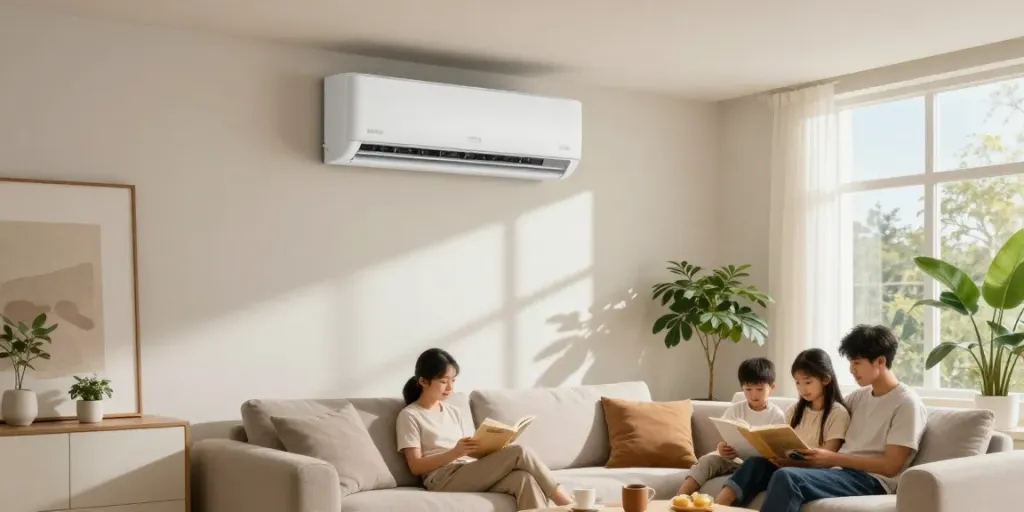
Proper placement of the indoor units is crucial for maximizing the effectiveness of a mini split system. Ideally, the units should be located high on walls, where they can distribute air evenly throughout the room. Additionally, ensure that the outdoor unit is placed in a well-ventilated area, away from obstructions, to facilitate the best airflow.
Professional Installation vs. DIY
While some homeowners may consider a DIY approach to installation, hiring a professional is recommended for mini splits. Professionals have the expertise to handle the electrical and refrigerant components safely, ensuring compliance with local regulations and requirements. Furthermore, a skilled technician can evaluate the specific needs of your space to recommend the most suitable system configuration.
Common Installation Mistakes to Avoid
- Inadequate Sizing: Ensure that the unit's BTU capacity matches the room size. An oversized unit can lead to short cycling, while an undersized unit may struggle to maintain temperature.
- Poor Location: As noted earlier, improper placement can lead to inefficiencies. Avoid being tempted by aesthetics over functionality.
- Ignoring Electrical Needs: Ensure that your electrical setup can handle the demands of your mini split system to avoid tripped breakers or potential fire hazards.
Optimizing Your Mini Split 18000 BTU's Performance
To maximize the efficiency and lifespan of your mini split system, implementing best practices for maintenance and operation is essential.
Best Practices for Energy Efficiency
Regularly cleaning or replacing filters will ensure that your mini split operates efficiently, as dirty filters can hinder airflow and increase energy consumption. Additionally, setting the temperature on your thermostat to a moderate level will reduce strain on the system.
Maintaining Your Mini Split System for Longevity
Schedule annual professional maintenance to check refrigerant levels, inspect electrical components, and clean coils. Furthermore, keeping the outdoor unit free of debris and vegetation can prevent performance issues and enhance the system's longevity.
Smart Thermostat Integration for Better Control
Consider pairing your mini split system with a smart thermostat that can learn your habits, adjust temperatures based on occupancy, and provide remote access, giving you control over your climate preferences even when you're away from home.
Cost Analysis and Budgeting for Mini Split 18000 BTU
Understanding the financial implications associated with a mini split 18000 BTU system ensures that your investment pays off in the long run.
Initial Investment and Installation Costs
While the upfront cost of a mini split system may be higher than traditional HVAC systems, the savings on energy bills often offset this difference over time. Installation costs can vary depending on the complexity of the setup, but it's advisable to obtain multiple quotes for comprehensive assessments.
Long-term Savings on Energy Bills
Thanks to their energy-efficient design, mini split systems can significantly reduce monthly utility costs. Homeowners can expect savings of 30% to 50% on their energy bills compared to conventional heating and cooling methods, especially in moderate climates.
Comparing with Other HVAC Solutions
When evaluating your options, it's vital to consider the various benefits of mini splits against traditional HVAC systems. For instance, while central air systems may have a lower initial cost, they can lead to higher energy expenditure due to duct losses. In contrast, mini splits provide targeted comfort and efficiency that often outweigh initial costs.
Future Trends in Mini Split Technology for 2026
The future of mini split technology is promising, with innovative features on the horizon enhancing energy efficiency and user experience.
Innovative Features on the Horizon
Manufacturers are increasingly integrating smart home technology, including AI-driven climate control systems that can adjust settings based on external weather conditions and indoor occupancy patterns.
Advancements in Energy Efficiency and Sustainability
Future mini split systems are expected to utilize more environmentally friendly refrigerants and enhance heat pump technology to provide higher efficiency ratings. This shift aligns with global efforts to combat climate change and reduce carbon footprints.
Consumer Preferences That Will Shape the Market
As consumers become more eco-conscious, the demand for energy-efficient, sustainable HVAC solutions continues to grow. This trend will likely push manufacturers to innovate and improve the efficiency and design of mini split systems to meet consumer demands.
What is the cooling capacity of an 18000 BTU mini split?
The cooling capacity of an 18000 BTU mini split typically covers spaces ranging from 900 to 1,000 square feet, making it suitable for larger rooms, open-plan living areas, and even insulated garages.
Should I leave my mini split on all the time in winter?
It is generally advisable to keep your mini split on during winter; however, if you plan to be away for an extended period, consider adjusting the temperature settings instead of shutting it off entirely to prevent strain when restarting the system.
Who makes the best 18,000 BTU mini split?
While several reputable brands manufacture high-quality 18000 BTU mini splits, companies like Mitsubishi, Daikin, and Senville are often regarded as leaders in the market due to their reliability, efficiency, and advanced features.
How much does it cost to install an 18,000 BTU mini split AC system?
The cost of installing an 18,000 BTU mini split system can range from $2,000 to $5,000 depending on several factors, including the complexity of installation, location, and additional features. Always obtain quotes from multiple contractors to ensure a fair price.