Understanding 安家 and Its Importance in 2026
As society ages and the population of seniors grows, making our homes more comfortable and secure becomes paramount. 安家, or ensuring a safe home environment, plays a crucial role in the lives of elderly individuals, allowing them to maintain their independence while minimizing the risk of accidents and injuries. With the recent increase in government funding for home renovations aimed at enhancing safety, there has never been a better time to explore options for 安家. 安家 initiatives focus not only on physical modifications but also on creating a supportive community that prioritizes the well-being of seniors.
What is 安家?
安家 refers to the concept of establishing a safe and secure home environment, particularly for elderly individuals who may face unique challenges in their living spaces. This includes the implementation of various modifications that enhance accessibility, reduce hazards, and ultimately promote a sense of safety and belonging. Elements of 安家 range from practical adaptations, such as installing grab bars in bathrooms, to more comprehensive renovations that transform entire living spaces into senior-friendly zones.
Why 安家 Matters for Seniors
The significance of 安家 cannot be overstated. For many seniors, their home represents not only a physical space but also a sanctuary filled with memories and comfort. As physical abilities may diminish with age, adjusting these familiar spaces to meet their current needs becomes essential. An unsafe environment can lead to serious injuries, with falls being one of the leading causes of accidents among the elderly. Thus, ensuring that their homes are equipped with safety features not only protects their physical health but also enhances their emotional well-being by allowing them to live with dignity and independence.
Key Features of a Safe Home Environment
Essential Safety Installations: Grab Bars and Non-Slip Flooring
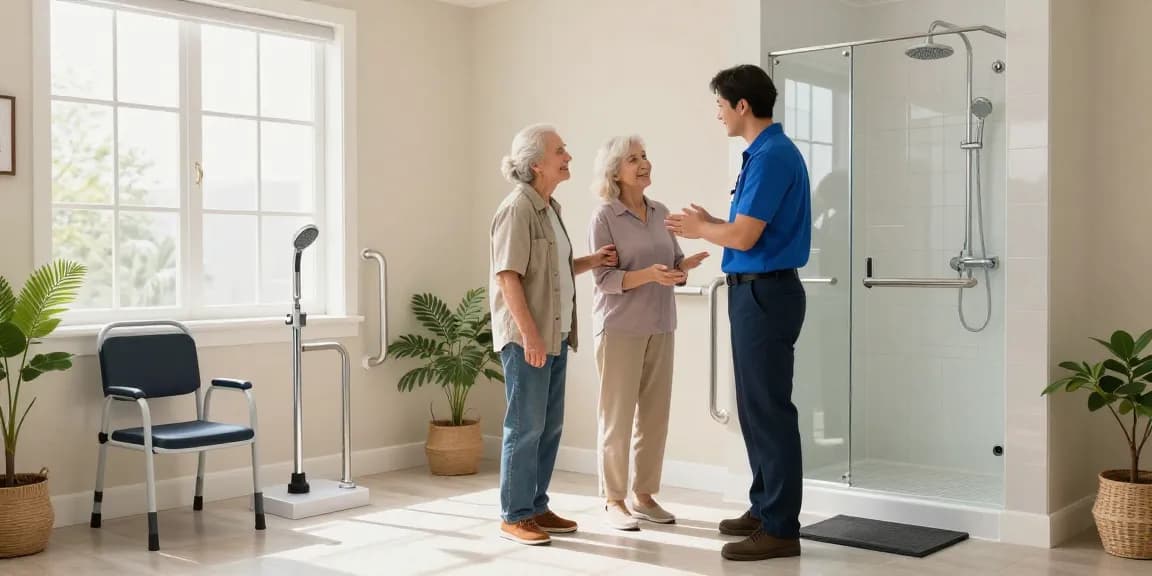
One of the most critical aspects of enhancing home safety for seniors involves the installation of grab bars and the incorporation of non-slip flooring. Grab bars provide necessary support in bathrooms, where the risk of slips and falls is notably high. By strategically placing these bars near toilets, bathtubs, and showers, the likelihood of accidents can be significantly reduced.
Similarly, non-slip flooring options are essential. Traditional tiles can be slick and hazardous when wet, making them unsuitable for senior-friendly environments. Homeowners should consider alternatives, such as textured vinyl or rubber flooring, which offer better traction and reduce the risk of falls.
Bathroom Modifications for Enhanced Safety
The bathroom is often regarded as one of the most dangerous areas in a home for seniors. Modifications aimed at increasing safety can include:
- Installing walk-in showers with grab bars
- Using shower mats that provide extra grip
- Lowering sink heights for easier access
- Incorporating raised toilet seats with armrests
These enhancements not only mitigate the risk of accidents but also promote a sense of independence, allowing seniors to perform daily activities with greater ease.
Home Layout Adjustments for Accessibility
In addition to bathroom modifications, overall home layout adjustments can significantly impact accessibility. Simple changes can include:
- Widening doorways to accommodate walkers and wheelchairs
- Removing area rugs that could pose tripping hazards
- Adding ramps where needed for easier access
Such modifications contribute to a more navigable space, ensuring that seniors can move around their homes safely and without hindrance.
Government Funding Opportunities for Home Renovations
Overview of the HK$80,000 Grant Program
To promote 安家 initiatives, the government has increased its funding support for home renovations aimed at improving safety for seniors. The HK$80,000 grant program specifically targets families looking to make their homes more accessible and safe. This funding can be used for various renovations that meet eligibility criteria set by the government, making it a valuable resource for families wanting to invest in their loved ones’ safety.
Eligibility Requirements for Government Assistance
Eligibility for government funding typically requires proof of residency, age criteria (generally for seniors), and the demonstration of specific needs that necessitate renovations. These requirements ensure that the funds are allocated to those who will benefit most from them. Additionally, applicants must provide documentation and, in some cases, complete assessments to gauge the extent of necessary modifications.
How to Apply for Funding Effectively
Navigating the application process for government assistance can be daunting. However, breaking it down into manageable steps can simplify the task:
- Gather necessary documents, such as identification and proof of residence.
- Complete any required home assessments to identify specific needs.
- Submit the application timely, ensuring all documentation is accurate and complete.
- Follow up with the respective government agency to track the progress of your application.
By understanding the process, applicants can increase their chances of receiving the funding needed to bring their 安家 renovations to fruition.
Implementation Strategies for a Senior-Friendly Home
Steps for a Comprehensive Home Safety Assessment
A comprehensive home safety assessment is crucial for identifying potential hazards and planning necessary modifications. This assessment can include:
- Evaluating each room for accessibility and safety concerns
- Identifying areas prone to falls
- Consulting with professionals who specialize in senior-friendly modifications
Documenting findings will aid in prioritizing renovations based on urgency and the available budget.
Hiring Qualified Professionals for Renovations
When it comes to making significant changes to a home environment, hiring qualified professionals is vital. Look for contractors who specialize in senior renovations and have experience with government grant programs. This ensures that the work will be performed to meet safety standards and comply with funding requirements.
Managing Renovation Costs and Budgeting
Budgeting for home renovations can be a challenge, especially when accommodating for unexpected costs. Begin by defining a clear budget that includes all expected expenses, from materials to labor. Utilize the available government funding to alleviate financial burdens, and consider potential long-term savings from injury prevention when planning the scope of work.
Future Trends in Senior Living Safety
Innovative Technologies Enhancing Home Safety
As technology continues to evolve, so too does the potential for enhancing home safety for seniors. Innovations such as smart home devices, fall detection systems, and integrated emergency response solutions are becoming increasingly accessible. These technologies can alert caregivers or emergency services in case of an incident, providing an added layer of safety without sacrificing independence.
Predicted Changes in Government Policies
Looking ahead, it’s anticipated that government policies will increasingly emphasize support for aging populations. This may include more funding opportunities, streamlined application processes, and potentially new initiatives designed to enhance the quality of life for seniors. Staying informed about these developments can empower families to take timely action for their loved ones.
Long-Term Benefits of Investing in 安家
Investing in 安家 not only addresses immediate safety concerns but also contributes to long-term well-being. A safe home environment reduces the likelihood of accidents, leading to fewer hospital visits and lower healthcare costs. Furthermore, enhancing safety can improve the overall quality of life for seniors, allowing them to thrive in their own homes with dignity and independence.
What are the common safety risks for seniors at home?
Common safety risks include slip-and-fall hazards, inadequate lighting, and inaccessible essential areas such as bathrooms and kitchens. Identifying these risks is crucial for determining what modifications are necessary to create a safe environment.
How can I make my bathroom safer for elderly family members?
To make bathrooms safer, consider installing grab bars, non-slip mats, and accessible fixtures such as walk-in showers. Ensuring there is adequate lighting is also essential to prevent accidents.
What government assistance is available for home modifications?
Government assistance varies by region but often includes grants for home modifications aimed at improving safety for seniors. Familiarizing oneself with local programs can maximize available support.
How much does a senior-friendly renovation typically cost?
Costs can vary widely based on the scope of work and the specific modifications needed. Simple adjustments might start in the low thousands, while more extensive renovations could range significantly higher, depending on materials and labor. Utilizing government funding can help offset these costs.
What are the latest technologies for enhancing home safety?
Latest technologies include smart home systems that offer surveillance, fall detection, and emergency alerts. These innovations help caregivers monitor seniors while allowing them to maintain their independence.